
President’s Column
Building the Next Chapter of SCCAP
President’s Column
Building the Next Chapter of SCCAP
By Adam B. Lewin, PhD, ABPP
I ran for SCCAP President to broaden our relevance—to make our organization meaningful to practitioners as well as researchers and to psychologists across career stages and practice settings. Yet much of this year has necessarily focused on stewardship, transition, and organizational leadership. Every SCCAP President inherits the Society for only a brief time. Our responsibility is not simply to manage it well, but to leave it stronger than we found it and better prepared to meet the needs of the future.
Over the past decade, SCCAP has grown tremendously. We now support two journals, webinars, continuing education programs, special interest groups, awards, committees, conferences, leadership initiatives, and a growing portfolio of member services. We have expanded not only in size, but also in our ambitions for what SCCAP can be: the professional home for clinical child and adolescent psychologists across research, practice, education, and training.
Growth, however, often creates new demands and responsibilities. For many years, SCCAP was able to thrive because of exceptional individuals. Longtime members will remember the dedication of Karen Roberts, whose commitment to our field helped guide the Society through an important period of growth and development. More recently, Lynn Canty brought management and financial expertise that helped SCCAP continue to mature as an organization.
Simply put, this model has worked well as our organization continued to grow and expand our reach to professionals in child and adolescent psychology. It worked because it was built on trust, commitment, and relationships. In many ways, Karen and later Lynn became part of the SCCAP family. They supported generations of volunteer leaders, preserved institutional knowledge, and helped SCCAP accomplish far more than organizations our size would typically expect. Their continuity and commitment made them enduring representatives of SCCAP across many presidential terms. For that, we owe them our profound gratitude.
At the same time, the Board found itself asking an important question: What infrastructure will SCCAP need for the next decade? The answer was not different people. The answer was a different model.
Today, SCCAP requires expertise in membership services, communications, conference management, technology, sponsorship development, financial systems, continuing education compliance, and strategic planning. Equally important, we need an organizational structure that provides continuity and is not dependent on any one individual, no matter how talented or dedicated. Organizations eventually reach a point where continued growth requires more than asking good people to do more. SCCAP has reached that point.
That realization led to one of the most significant decisions SCCAP has made in many years: transitioning to an Association Management Company (AMC) model. Earlier this year, the Executive Committee unanimously approved a national search for a professional management partner capable of helping SCCAP build the infrastructure necessary for its next phase of growth. As I write this column, we are in the final stages of negotiations and expect to announce our new partner soon—so please watch the listserv for an update. I am extraordinarily optimistic about what lies ahead.
This transition is not about changing who SCCAP is. It is about strengthening our ability to do what we already do well and continuing to do the work that aligns with our mission of improving the mental health and resilient development of children, adolescents, and families . An AMC provides depth, continuity, and specialized expertise in organizational leadership, growth, and strategy. It allows volunteer leaders to spend less time managing operations and more time doing what only they can do: developing programs, mentoring future leaders, advancing science and practice, and setting a vision for the profession. Most importantly, shifting to this new organizational model creates the capacity to innovate, grow, and build a more sustainable future with and for our members.
I have spoken often this year about relevance. If SCCAP is going to remain the professional home for all clinical child and adolescent psychologists, we must continue creating value throughout the career span. We need compelling reasons for students and early career psychologists to stay engaged. We need resources that are meaningful to practitioners across diverse settings. We need opportunities for educators, mentors, researchers, and clinical leaders. And we need an organizational structure capable of supporting all of it. That is what this transition is ultimately about.
Success will not be measured by smoother operations alone. Success will be measured by greater impact: stronger member engagement, new professional opportunities, enhanced programming, a more sustainable financial model, and a Society that is positioned to thrive for years to come.
Years from now, I suspect many members will not remember the details of the contracts, negotiations, or transition plans. What I hope they will see is an SCCAP that became stronger, more sustainable, and better able to fulfill its mission because of decisions made during this moment.
My deepest thanks go to Lynn Canty for her years of service, to our search consultants, and to the many volunteers who have devoted significant time and thoughtful leadership to this effort. Most of all, thank you to our members. SCCAP’s future has never been defined by a single leader, employee, or initiative. It has always been defined by a community committed to improving the lives of children, adolescents, and families. This transition is an investment in that community—and in the future we will build together.
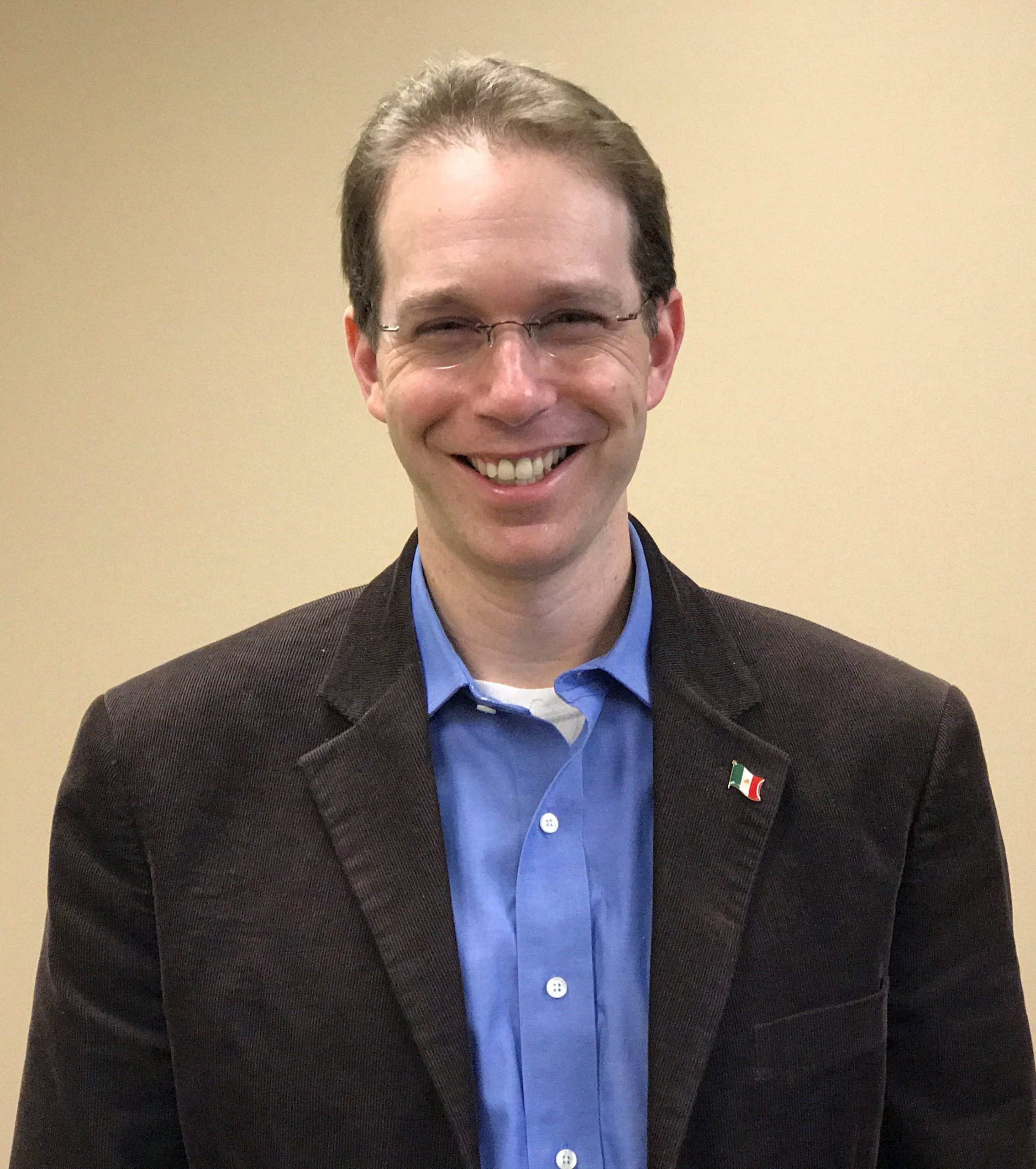
Adam B. Lewin, PhD, ABPP
President, SCCAP
“Organizations eventually reach a point where continued growth requires more than asking good people to do more. SCCAP has reached that point.”
More From Fall 2026
More From Fall 2026
President’s Column: Building the Next Chapter of SCCAP
By Adam B. Lewin, PhD, ABPP
In Focus: Social Determinants
By Theemeshni Govender, MS
Expert Recommendation: Helping Youth Through the Holidays
By Maria Khan, PhD & Michelle Roley-Roberts, PhD
APA 2026 Recap
By Samantha Gregus-Slade, PhD & Sarah Dickinson, PhD
The Student View
By Katie Moskowitz, MS & Annika Quam, MS
Election Results
Your Newest SCCAP Leaders
SCCAP is Seeking Nominations for Executive Board Positions
Apply or Nominate Today!
SCCAP Council Representatives Update
By Stephen Hupp, PhD, Joaquin Borrego, PhD, & Jarrod Leffler, PhD, ABPP
Programming Committee Update
By Tamara Del Vecchio, PhD
Webinar Committee Update
By Jamie Micco, PhD, ABPP
SCCAP Fellows Committee Update
By Martha C. (Marcy) Tompson, PhD
Get the Most From Your SCCAP Membership
By Nicole Lorenzo, PhD
Remember to Renew Your Membership!
Registration Now Open for 2027
Clinical Child & Adolescent Practice SIG Update
By Megan Lawson, PsyD, ABPP
Summer Treatment Program SIG Update
By Katie Hart, PhD & Sarah Tannenbaum, PsyD, ABPP
More From Fall 2026
More From Fall 2026
President’s Column: Building the Next Chapter of SCCAP
By Adam B. Lewin, PhD, ABPP
In Focus: Social Determinants
By Theemeshni Govender, MS
Expert Recommendation: Helping Youth Through the Holidays
By Maria Khan, PhD & Michelle Roley-Roberts, PhD
APA 2026 Recap
By Samantha Gregus-Slade, PhD & Sarah Dickinson, PhD
The Student View
By Katie Moskowitz, MS & Annika Quam, MS
Election Results
Your Newest SCCAP Leaders
SCCAP is Seeking Nominations for Executive Board Positions
Apply or Nominate Today!
SCCAP Council Representatives Update
By Stephen Hupp, PhD, Joaquin Borrego, PhD, & Jarrod Leffler, PhD, ABPP
Programming Committee Update
By Tamara Del Vecchio, PhD
Webinar Committee Update
By Jamie Micco, PhD, ABPP
SCCAP Fellows Committee Update
By Martha C. (Marcy) Tompson, PhD
Get the Most From Your SCCAP Membership
By Nicole Lorenzo, PhD
Remember to Renew Your Membership!
Registration Now Open for 2027
Clinical Child & Adolescent Practice SIG Update
By Megan Lawson, PsyD, ABPP
Summer Treatment Program SIG Update
By Katie Hart, PhD & Sarah Tannenbaum, PsyD, ABPP