
Distinguished Career Contributions to Science Award Winner: Paul Frick, PhD, ABPP
Distinguished Career Contributions to Science Award Winner: Paul Frick, PhD, ABPP
The SCCAP Distinguished Career Award for Science recognizes a researcher in the field of clinical child and adolescent psychology who has made major empirical and/or theoretical contributions to the field and whose body of work has had broad impacts that have shaped advances in scientific theory and knowledge, training and education, public policy, and clinical practice.
SCCAP is delighted to present the 2026 Distinguished Career Contributions to Science Award to Paul Frick, PhD, ABPP. Dr. Frick is currently the Roy Crumpler Memorial Chair, Director of Clinical Training, and Professor of Psychology at the Louisiana State University. Over the course of his career, Dr. Frick has made major contributions to the field of clinical child and adolescent psychology through science, training, service, and advocacy in juvenile justice policy.
Dr. Paul Frick is an internationally renowned clinical child and adolescent psychologist whose career has significantly advanced the science of youth conduct disorders. Dr. Frick has developed and validated assessments that integrate his decades of research integrating forensic research on psychopathic personality, developmental research on conscience development, and clinical research on conduct disorders. His research has improved assessments and interventions for antisocial and aggressive youth across settings.
With both federal and foundation funding, his research has shaped our understanding of callous-unemotional traits and how they are related to the etiology and severity of conduct problems and aggression. More recently, his work has sought to develop and validate evidence-based assessment and diagnostic tools for youth with limited prosocial emotions. He has published more than 300 scholarly articles, numerous books and manuals, and several highly cited and regularly used assessment inventories. For example, his Inventory of Callous-Unemotional Traits has been translated into 30 different languages and utilized in more than 700 published articles. His contributions have had a significant impact on the field and our understanding of conduct disorders. Notably, his research has informed the adoption of the limited prosocial emotions specifier in the DSM-5 and ICD-11 by the American Psychological Association and World Health Organization. He also was the recipient of Division 53’s Bob Smith, Excellence in Psychological Assessment Award in 2021.
Beyond his groundbreaking research, Dr. Frick is a dedicated mentor who has guided countless undergraduate students and graduate students in their professional development as clinicians and researchers. He has also been a leader in his academic departments, serving as the Chair for 8 years for the Department of Psychology at the University of New Orleans and currently serving as the Director of Clinical Training at Louisiana State University. He also has served the broader field of clinical child and adolescent psychology through is work on numerous editorial boards of highly regarded journals and serving as editor-chief for both Division 53’s Journal of Clinical Child and Adolescent Psychology and for Research in Child and Adolescent Psychopathology. Through his work with the John D. and Catherine T. MacArthur Models for Change in Juvenile Justice initiative, Dr. Frick has also worked to advance public policy that encourages a fair, effective, and evidence-based approach to juvenile justice policy.
Dr. Frick notes that the secret to a successful, fulfilling, and enjoyable career is to collaborate with amazing students and colleagues and to have the support and love of family at home, for which he views himself as being abundantly blessed. In reflecting on his career, he views mentoring, supporting, and encouraging students and junior colleagues as one of the most rewarding aspects. Also, he encourages academic psychologists to be engaged in both advancing science and in guiding the clinical and policy applications of it. He views his success in advancing clinical diagnosis, treatment, and public policy as due to it being guided by his basic research identifying the different developmental processes that can lead to serious behavior problems in children and adolescents and developing sound theoretical models to explain this. His optimism for the future is based on the many researchers around the world that are now developing novel treatments for children and adolescents with limited prosocial emotions who were once thought to “treatment resistant”, simply because early treatments were developed without an adequate knowledge of their unique needs.
In summary, through his research, mentoring, advocacy, and public engagement, Dr. Frick exemplifies a career devoted to advancing clinical child and adolescent psychological science and its impact on society. Please join us in congratulating Dr. Frick on receiving SCCAP’s Distinguished Career Contributions to Science Award.
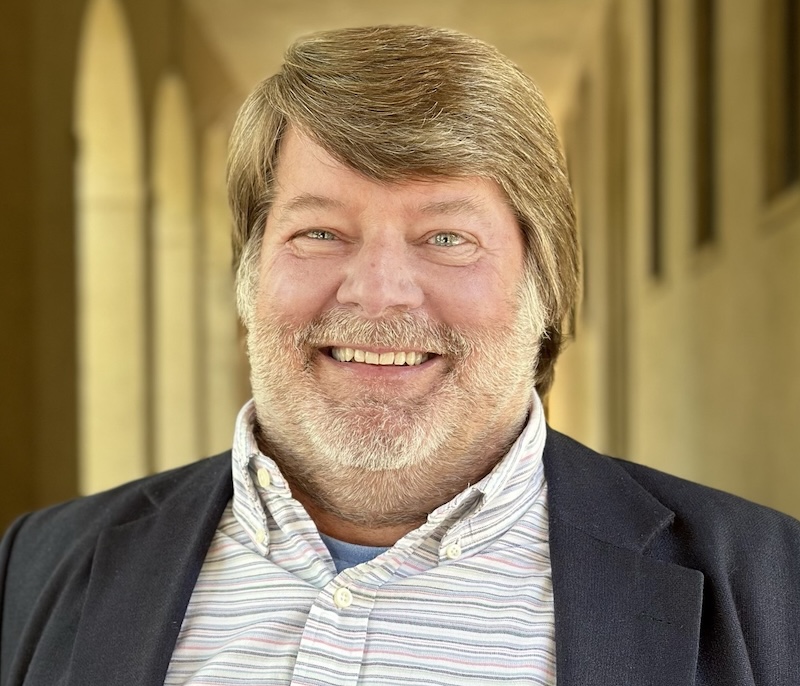
Paul Frick, PhD, ABPP
2026 Distinguished Career Contributions to Science Award Winner
More From Summer 2026
More From Summer 2026
President’s Column - Building Momentum: A Mid-Year Report
By Adam B. Lewin, PhD, ABPP
In Focus - Parental Burnout: Risks, Consequences, and Treatment
By Lauren Fleming, MA
Expert Recommendations: A Parent's Guide to Healthy Youth Screen Time
By Tish Taylor, PhD
Join SCCAP for the 2026 APA Convention!
By Sarah Dickinson, PhD, ABPP; Samantha Slade, PhD; & Mariana Davila, SSP, NCSP
The Student View
By Sarah Kim, MS & Lauren Milgrim, MS
Help Shape the Future of SCCAP Membership
By Nicole Lorenzo, PhD
Fellows Committee Update
By Martha C. Tompson, PhD
Distinguished Career Contributions to Science Award
Recipient: Paul Frick, PhD, ABPP
Distinguished Career Award for Practice & Training
Recipient: Dean Coffey, PsyD, MS
Richard “Dick” Abidin Early Career Award
Recipient: Amanda Sanchez, PhD
R. Bob Smith, III Excellent in Psychological Assessment Award
Recipient: Cecil R. Reynolds, PhD, ABN, ABPdN
Early Career Contributions to Diversity Science Award
Recipient: Henry A. Willis, PhD
Diversity Professional Development Award Winners
Donald Routh Dissertation Grant Winners
Student Development Committee Student Achievement Awards
Student Development Committee Professional Development Awards
SCCAP Student Poster Award Winners
AIRS SIG Update
By Elisabeth Frazier, PhD
Bilingual Psychologist SIG Update
By Erika Garcia-Rocha, PsyD
Infant & Early Childhood SIG Update
By Miller Shivers, PhD
The Summer Treatment Program SIG Updates
By Katie Hart, PhD & Sarah Tannenbaum, PsyD, ABPP
Introducing the Exposure-Based Interventions and Treatments (EXIT) SIG
By Elizabeth Vickery, PhD & Regine Galanti, PhD
More From Summer 2026
More From Summer 2026
President’s Column - Building Momentum: A Mid-Year Report
By Adam B. Lewin, PhD, ABPP
In Focus - Parental Burnout: Risks, Consequences, and Treatment
By Lauren Fleming, MA
Expert Recommendations: A Parent's Guide to Healthy Youth Screen Time
By Tish Taylor, PhD
Join SCCAP for the 2026 APA Convention!
By Sarah Dickinson, PhD, ABPP; Samantha Slade, PhD; & Mariana Davila, SSP, NCSP
The Student View
By Sarah Kim, MS & Lauren Milgrim, MS
Help Shape the Future of SCCAP Membership
By Nicole Lorenzo, PhD
Fellows Committee Update
By Martha C. Tompson, PhD
Distinguished Career Contributions to Science Award
Recipient: Paul Frick, PhD, ABPP
Distinguished Career Award for Practice & Training
Recipient: Dean Coffey, PsyD, MS
Richard “Dick” Abidin Early Career Award
Recipient: Amanda Sanchez, PhD
R. Bob Smith, III Excellent in Psychological Assessment Award
Recipient: Cecil R. Reynolds, PhD, ABN, ABPdN
Early Career Contributions to Diversity Science Award
Recipient: Henry A. Willis, PhD
Diversity Professional Development Award Winners
Donald Routh Dissertation Grant Winners
Student Development Committee Student Achievement Awards
Student Development Committee Professional Development Awards
SCCAP Student Poster Award Winners
AIRS SIG Update
By Elisabeth Frazier, PhD
Bilingual Psychologist SIG Update
By Erika Garcia-Rocha, PsyD
Infant & Early Childhood SIG Update
By Miller Shivers, PhD
The Summer Treatment Program SIG Updates
By Katie Hart, PhD & Sarah Tannenbaum, PsyD, ABPP
Introducing the Exposure-Based Interventions and Treatments (EXIT) SIG
By Elizabeth Vickery, PhD & Regine Galanti, PhD