
In Focus: Immigration Enforcement, Mass Deportation, & Mental Health
In Focus: Immigration Enforcement, Mass Deportation, & Mental Health
By Edward Delgado-Romero, PhD
University of Georgia
Pauline Anderson, MSW, LCSW
Children’s Healthcare of Atlanta
Alondra Lopez, MEd
University of Georgia
The United States has entered an era of mass deportation that is unprecedented in scope, intensity, and public impact. All children, adolescents, and families (as well as mental health providers) potentially face mental health challenges such as stress or anxiety, either due to direct experience with immigration enforcement actions or by vicarious exposure through news and social media, and widespread anti-immigrant rhetoric and actions. The news of deaths, protests, and children being taken into detention can cause severe stress, insecurity, and anxiety for children, adolescents, and families. For example, a photograph of 5-year-old Liam Conejo Ramos being detained by Immigration and Customs Enforcement (ICE) in his driveway while returning home from school quickly went viral and sparked nationwide conversations on the traumatic nature of ICE interactions and the lost sense of safety experienced by children, families, school staff and communities at large.
Previous psychological research (Garcini et al., 2021) has indicated that many undocumented families deal with stressors such as poverty, discrimination, dangerous or precarious living and work conditions and limited access to linguistically and culturally competent mental health care (Delgado-Romero et al., 2018). However, the current socio-political environment represents an unprecedented escalation in the potential to harm mental health for all people in the U.S. (Katuri & Najdowski, 2025). While Congress has not passed a comprehensive path to citizenship since the 1986 Immigration Reform and Control Act, specific immigration policies and enforcement actions have intensified dramatically. Under the presidency of Barack Obama, the U.S. markedly increased deportation activity, a trend that has largely persisted regardless of which political party has been in office since. Nonetheless, with the elections of Donald Trump in 2016 and 2024, U.S. policy has shifted more towards what has been termed mass deportation. This shift in enforcement is coupled with a tripling of the budget for ICE, growth of immigration detention facilities, aggressive (and sometimes deadly) immigration enforcement by masked ICE agents, and enforcement actions taking place in homes, schools, churches, hospitals and even in immigration courts. The meaning and protection offered by legal statuses such as asylum, temporary protected status, birthright citizenship, dual citizenship, and a green card (permanent resident status) are being challenged by the Trump administration. These immigration actions are highly public and have the potential to erode a sense of safety for everyone in the US, with daily reports of US citizens being detained based on the way they look or sound (racial profiling), allies being killed, and journalists reporting on these actions facing detainment and investigation by the federal government.
APA CEO Arthur Evans, Jr. stated: “Psychological science is clear: detention, deportation, family separation, and the constant threat of such actions create chronic stress that increases anxiety, depression, trauma-related symptoms, and long-term health risks. These harms are especially severe for children, whose emotional development depends on stable and secure caregiving relationships…This climate of fear disrupts schools, healthcare access, workplaces, and community life, weakening the social connections that protect mental health for everyone” (Vidal Valero, 2025, p. 32). While literature supports these claims, there is a need for interventions, collaboration, and action to ensure that the psychological impacts of immigration detention, threats of deportation, growing xenophobia, and broadcast violence against immigrant communities are mediated. Psychologists and health professionals are encouraged to use frameworks such as the Collaborative Immigration Advocacy Model to identify ways they can expand their knowledge of the experiences of local immigrant communities, engage with existing activists and community organizations, and identify opportunities for supporting specific community service and advocacy projects (Cadenas et al., 2024)
One example of a community-based initiative brought about through collaboration of community members, mental health providers, and students is the Athens Rides Program. Athens Rides began in February of 2024, following an increase in anti-immigrant rhetoric and policies. These policies continue to negatively impact the mental health of the immigrant community by increasing the ability of local and state governments to collaborate with ICE to detain any undocumented person who becomes involved in the criminal justice system, virtually without bond, including through misdemeanor crimes like shoplifting (Laken Riley Act – federal legislation) or driving without a driver’s license (HB1105 – Georgia state law). The Athens Rides program is a form of mutual aid, aimed at mediating immigration policy vulnerability through the provision of free rides to those from the immigrant community who do not have a driver’s license, with the hope of preventing community members from being put in immigration detention due to minor traffic violations (Salerno, 2025). Not only does this initiative provide material support for the immigrant community (for example, ensuring they have access to secure modes of transportation to go to their medical and legal appointments, work, and the grocery store) but this initiative also provides a counternarrative. Program organizers recognize that the rise in threat of deportation and the increasingly violent and hostile treatment of the immigrant community is psychologically damaging for the community, so this initiative is helping to affirm a sense of safety and collective care.
Given the overwhelming nature of the current state of immigration enforcement in the US, psychologist may struggle to navigate their own feelings and vulnerabilities about immigration enforcement while simultaneously supporting children, adolescents and families. We offer some suggestions:
- There needs to be a focus on Latinx families, who represent 75% of all undocumented individuals in the US. Latinx communities have a unique history with the US, and the majority (80%) are US citizens. Cultural and linguistic nuances in psychological practice and research with this large and diverse population need to be addressed as does the full inclusion of a Latinx and Spanish-speaking workforce in psychology.
- At the same time, the needs of non-Latinx immigrant communities must also be understood and addressed, especially when specific national or racial groups are targeted (e.g., Somalians in Minnesota, Haitians in Ohio) and when racial profiling occurs.
- In general, the need for culturally and linguistically competent psychological services needs to be addressed through pro-bono training, research, and advocacy programs (Delgado-Romero et al., 2021). Although collaborations with translators and cultural brokers are necessary, it is not sufficient. Building a psychology workforce that can address the needs of a multicultural and multilingual clientele who has been thoroughly traumatized pre, during, and post immigration requires sustained investment and a commitment to learning more about the challenges that these communities face. Psychologists can review resources available here.
- As detention facilities dramatically expand in the US, the impact of these facilities and the lack of timely due process for detainees must be understood and explicated by psychologists, especially the impact on children, adolescents and families. Similarly, the experience of US citizen children who follow deported parents to countries they do not know is a research and practice area that needs to be understood.
- Psychologists must help to ensure routine and preventative healthcare for immigrant youth but also consider the impact of aggressive immigration enforcement on children and families who are medically fragile, chronically ill or dealing with educational and legal systems. Immigrant families may be unable to afford primary and/or preventive care and medications and instead use emergency services as primary care, which can lead to a potential crisis when emergency services are needed by all.
- Psychologists must also be attuned to the unintended side effects of mass deportation on all families. For example, The American Immigration Council (2025) points out that mass deportation has the potential to decimate the childcare industry as immigrants make up a sizeable portion of the childcare workforce.
- With the ubiquity of social media and the often-unsupervised access to information that is available to youth, the impact of social media on mental health during a time of mass deportation needs to be understood and addressed by psychology. For example, after the killing of ICE protestors in early 2026 the killings were immediately available to everyone in multiple angles on social media. There is a potential for these images to result in widespread feelings of dehumanization and desensitization to the suffering of others.
- Psychologists can play an important role in developing and promoting age-appropriate literature and media that can help children and adolescents process experiences related to immigration and potential family separation. For example, Something Happened to My Dad (Hazzard et al., 2022) a book available in both Spanish and English and authored by psychologists, explores family separation in a developmentally and culturally appropriate way.
- Immigration law and process can be incredibly complicated, difficult to navigate, and confusing. Psychologists should seek out ways to learn more about immigration law and identify trusted legal colleagues to consult with, especially when minors are concerned.
- Advocacy for children, adolescents and families is often not addressed in psychology training programs. However, it is increasingly necessary that mental health providers be equipped to advocate for their clients by understanding how sociopolitical contexts impact them, learning how to connect clients to resources, and reflecting on how their professional skillsets uniquely position them to serve as active collaborators and agents of social change within their communities. Psychologists may find productive collaborators and partners in the field of Social Work, whose training and values center on systems-level intervention and advocacy.
- Psychologists should focus on supporting front-line workers such as teachers, principals, school counselors and social workers as they deal with immigrant issues directly in their schools and other clinical settings. Attention should also be given to the importance of religious and spiritual practices, and the possibility of collaborating with religious and spiritual leaders and clergy in order to support indivduals facing immigration-related issues.
- Although current research and practice may be based on the immigration policies of deportation prior to the Trump administrations, psychologists need to be aware that the current environment is not simply a continuation of previous deportation policies but represents a major escalation of deportation enforcement. As part of Trump’s 2025 funding bill, ICE was allocated a $75 billion supplement in addition to a base budget of $10 billion. This increase in funding means ICE has an annual budget higher than all other federal law enforcement agencies combined.
- While other federal agencies are being cut or facing significant reductions, the dramatic growth of ICE promises to dramatically change US society and psychologists are called not only to document the impact on this societal change but to advocate for the mental health and wellbeing of all people affected by immigration policies. While the impact on immigrants might be obvious, there is also a danger that US citizens may experience feelings of depression, desensitization, resignation, hopelessness and powerlessness.
Finally, despite pervasively negative and traumatic impacts on children, adolescents and families, psychologists must be mindful to highlight the strength and resilience of immigrants and to re-center their humanity during a dehumanizing era in US history.
References
American Immigration Council (2025). Immigrant workers and the childcare crisis: What’s at stake for families and the economy. American Immigration Council.
Cadenas, G. A., Morrissey, M. B., Miodus, S., Cardenas Bautista, E., Hernández, M., Daruwalla, S., Rami, F., & Hurtado, G. (2024). A model of collaborative immigration advocacy to prevent policy-based trauma and harm. Psychological Trauma: Theory, Research, Practice, and Policy, 16(Suppl 2), S435–S445. https://doi.org/10.1037/tra0001330
Delgado-Romero, E.A., De Los Santos, J., Raman, V., Merrifield, J., Vázquez, M., Monroig, M., Cárdenas-Bautista, E., & Durán, M. (2018). Caught in the middle: bilingual mental health counselors as language brokers. Journal of Mental Health Counseling, 40(4), 341–352. https://doi.org/10.17744/mehc.40.4.06
Delgado-Romero, E.A., Mahoney, GE., Muro-Rodriguez, N., Atilano, R., Cardenas- Bautista, E., De Los Santos, J., Durán, M., Espinoza, L., Fuentes, J., Gomez, S., Ingram, R., Jiminez- Ruiz, J., Monroig, M., Mora-Ozuna, C., Ordaz, A.C., Rappaport, B., Suazo-Padilla, K. & Vazquez, M.S. (2021). Clinica In Lak’ech: The establishment of a practicum site to integrate practice, advocacy, and research with Latinx clients. The Counseling Psychologist – Special Issue, the Integration of Practice, Advocacy, and Research in Counseling Psychology. The Counseling Psychologist, 49 (7), 987-1012.
Garcini, LM, Daly R, Chen N, Mehl J, Pham T, Phan T, Hansen B, & Kothare A (2021). Undocumented immigrants and mental health: A systematic review of recent methodology and findings in the United States. Journal of Migration and Health, 4, 100058. 10.1016/j.jmh.2021.100058
Hazzard, A., Aponte Rivera, V. & Félix, G. (2022). Something happened to my dad: A Story about immigration and family separation. Magination Press.
Katuri, S. & Najdowski, C.J. (2025). How immigration policies are harming mental health. Monitor on Psychology, 56, 5, 43.
Salerno, A. (2025, August 4). No license, no rights: The underground network keeping Georgia’s immigrants moving. palabra. https://www.palabranahj.org/archive/no-license-no-rights-the-underground-network-keeping-immigrants-in-a-georgia-college-town-moving
Vidal Valeron, M. (2025). U.S. Immigration policy: Mental health impacts of increased detentions and deportations. Monitor on Psychology, 56, 6, p. 32.

Edward Delgado-Romero, PhD
University of Georgia

Pauline Anderson, MSW, LCSW
Children’s Healthcare of Atlanta
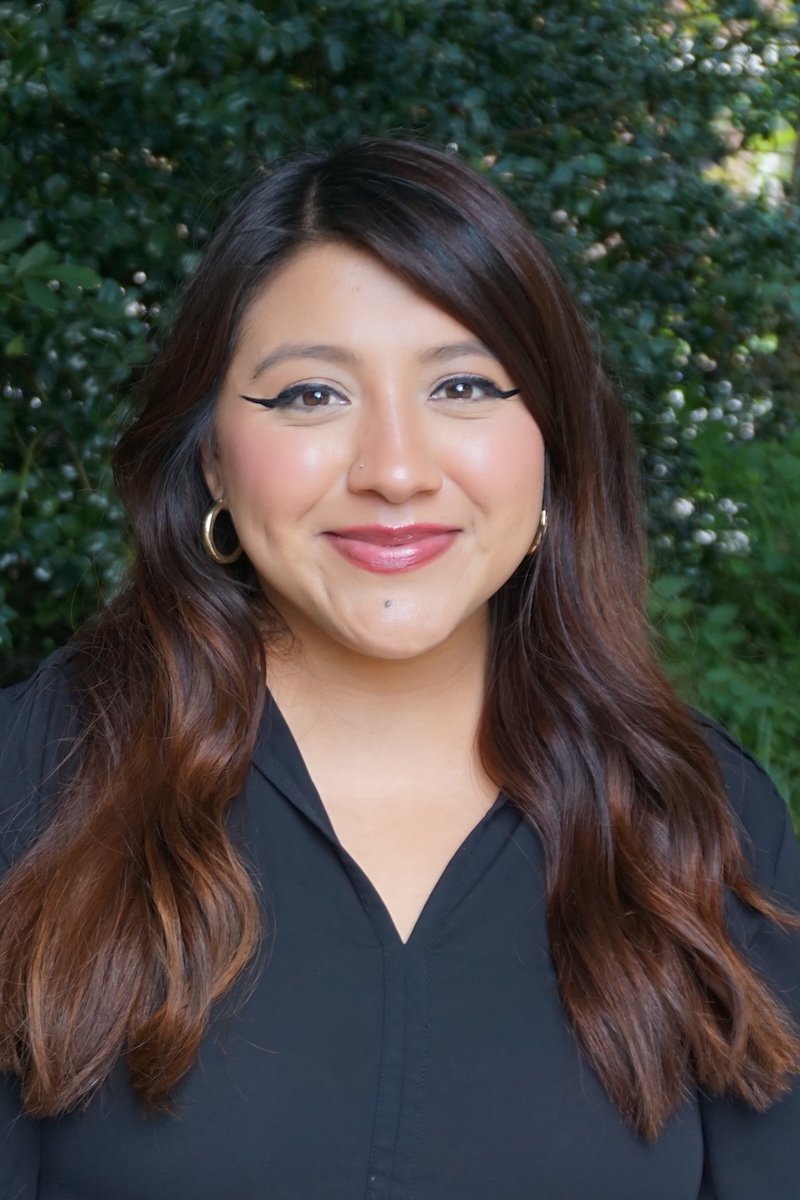
Alondra Lopez, MEd
University of Georgia
“Given the overwhelming nature of the current state of immigration enforcement in the US, psychologist may struggle to navigate their own feelings and vulnerabilities about immigration enforcement while simultaneously supporting children, adolescents and families.”
More From Spring 2026
More From Spring 2026
President’s Column: Relevance, Community, & the Work Ahead
By Adam B. Lewin, PhD, ABPP
In Focus: Immigration Enforcement, Mass Deportation, & Mental Health
By Edward Delgado-Romero, PhD; Pauline Anderson, MSW, LCSW; & Alondra Lopez, MEd
Expert Recommendation: Effective Child Therapy
By Will Leever, PhD
APA 2026 is Coming!
By Sarah Dickinson, PhD, ABPP, & Samantha Gregus-Slade, PhD
The Student View
By Lauren Milgram, MS
SCCAP Candidate Statements
2026 Election Cycle
SCCAP LISTSERV: Do’s and Don’ts
By Ana Ugueto, PhD, ABPP
Abidin Early Career Award Update
By Joseph McGuire, PhD
SCCAP’s Top Downloaded Journal Articles
Via EPCAMH & JCCAP
APA Council Representatives Update
By Stephen Hupp, PhD, Joaquin Borrego, PhD, & Jarrod Leffler, PhD, ABPP
ABCCAP Update
By Anna Egan, PhD, ABPP
SCCAP Webinar Committee Updates
By Jamie Micco, PhD, ABPP, LP
Infant & Early Childhood SIG Update
By Miller Shivers, PhD
Summer Treatment Program SIG Update
By Katie Hart, PhD & Sarah Tannenbaum, PsyD, ABPP
Acute, Intensive, & Residential Services SIG Update
By Elisabeth Frazier, PhD
More From Spring 2026
More From Spring 2026
President’s Column: Relevance, Community, & the Work Ahead
By Adam B. Lewin, PhD, ABPP
In Focus: Immigration Enforcement, Mass Deportation, & Mental Health
By Edward Delgado-Romero, PhD; Pauline Anderson, MSW, LCSW; & Alondra Lopez, MEd
Expert Recommendation: Effective Child Therapy
By Will Leever, PhD
APA 2026 is Coming!
By Sarah Dickinson, PhD, ABPP, & Samantha Gregus-Slade, PhD
The Student View
By Lauren Milgram, MS
SCCAP Candidate Statements
2026 Election Cycle
SCCAP LISTSERV: Do’s and Don’ts
By Ana Ugueto, PhD, ABPP
Abidin Early Career Award Update
By Joseph McGuire, PhD
SCCAP’s Top Downloaded Journal Articles
Via EPCAMH & JCCAP
APA Council Representatives Update
By Stephen Hupp, PhD, Joaquin Borrego, PhD, & Jarrod Leffler, PhD, ABPP
ABCCAP Update
By Anna Egan, PhD, ABPP
SCCAP Webinar Committee Updates
By Jamie Micco, PhD, ABPP, LP
Infant & Early Childhood SIG Update
By Miller Shivers, PhD
Summer Treatment Program SIG Update
By Katie Hart, PhD & Sarah Tannenbaum, PsyD, ABPP
Acute, Intensive, & Residential Services SIG Update
By Elisabeth Frazier, PhD